


Two weeks is the sweet spot for Bali. A week feels rushed; three weeks can lead to the kind of extended Canggu drift where you stop actually doing things. Two weeks gives you enough time to see distinct parts of the island, adjust to the pace, and not feel like you're ticking boxes.
Here's how to structure it.
Days 1–3: Ubud
Start in Ubud. It's the cultural and geographic centre of Bali — surrounded by rice terraces, rivers, and forest — and it acclimatises you to the island in a way the southern beach towns don't. The air is cooler, the pace is slower, and the food is better than anywhere else on the island.
Day 1: Arrive, check into wherever you're staying, and do very little. A traditional Balinese massage costs a fraction of what it would at home and is the correct introduction to being somewhere new. Give your body time to arrive.
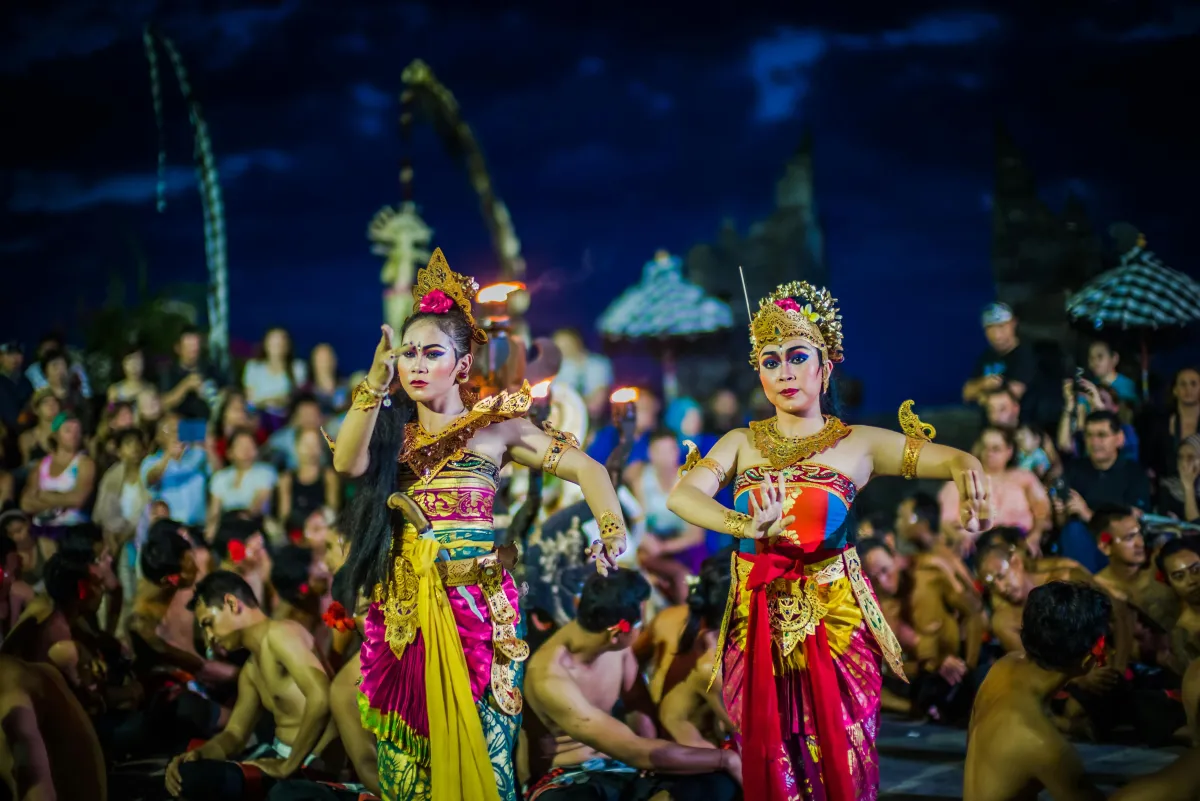
Day 2: Sacred Monkey Forest Sanctuary in the morning — it's chaotic and entertaining, and the temple complex inside is genuinely beautiful. Ubud Palace and the Art Market in the afternoon. In the evening, find a traditional Balinese dance performance; the Kecak fire dance is the most visually striking.
Day 3: Trek through Tegalalang Rice Terraces early, before the tour groups arrive. Then Tirta Empul Temple — a Hindu water temple where locals and pilgrims undergo a purification ritual in the spring-fed pools. Respectful dress required. Dinner at one of Ubud's farm-to-table restaurants; Locavore is the best on the island if you can get a reservation, Zest is more casual but consistently good.
Days 4–6: North Bali — Munduk and Lovina
This section of the trip is underrated. Most visitors never leave the south, which means northern Bali is noticeably quieter and noticeably cheaper.
Day 4: The drive to Munduk takes you through the volcanic interior of the island. Stop at Munduk Waterfall and hike the surrounding forest. Staying at a hillside retreat here — there are several excellent options at reasonable prices — with panoramic mountain views is worth planning specifically around.
Day 5: Gitgit Waterfall in the morning, then the twin lakes of Buyan and Tamblingan. Continue north to Lovina Beach; the sunset over the Bali Sea from here is very different from the southern coast. Beachside seafood for dinner.
Day 6: Early morning dolphin-watching tour from Lovina — boats leave before dawn to find the dolphins in calmer water. Then Pura Ulun Danu Bratan, the temple sitting on the edge of Lake Bratan that appears on the Indonesian 50,000-rupiah note. It looks exactly like the photos. Return to your accommodation for a quieter evening.
Days 7–9: Seminyak and Canggu
Back south for the beach towns. Seminyak is polished — boutiques, beach clubs, restaurants that could exist in London. Canggu is where surfers and digital nomads have been concentrating for years.
Day 7: Seminyak. Double Six Beach for the afternoon, Oberoi Street for some browsing. The beach clubs here (Potato Head, Ku De Ta) are genuinely impressive if you're into that sort of thing. La Lucciola for dinner.
Day 8: Canggu. Echo Beach for surfing or watching other people surf. The cafes and co-working spaces around Canggu have attracted a permanent population of remote workers, which gives the area a slightly odd but energetic atmosphere. Old Man's in the evening for live music.
Day 9: Day trip to Uluwatu — the cliff-top temple at the southwestern tip of the island is one of Bali's most dramatic settings. Padang Padang or Dreamland Beach for surfing. Kecak Fire Dance at sunset at Uluwatu (the setting makes it more powerful than the Ubud version), then seafood at Jimbaran Bay.
Days 10–12: Nusa Islands
The ferry to Nusa Penida takes about 45 minutes from Sanur. Book it in advance during high season.
Nusa Penida is the most dramatic of the three islands — the coastline is wild, the roads are rough, and the views from Kelingking Beach (the T-Rex-shaped cliff formation) are unlike anything on the mainland. Angel's Billabong and Broken Beach are fifteen minutes away and equally striking. The island is more effort than Bali — transport is slow, infrastructure is basic — but that's partly the point.
Nusa Lembongan is calmer. Devil's Tear (a dramatic sea cave on the southern coast), Dream Beach, and kayaking through the mangrove forest are the main draws. The vibe is relaxed; it works well as a wind-down before heading back to the mainland.
Days 13–14: Back to Bali, then home
Day 13: Return to Ubud or Seminyak depending on your flight. If Ubud: Campuhan Ridge Walk — a morning walk through jungle and rice paddies that sees almost no tourists despite being ten minutes from the centre. Final Balinese feast for dinner.
Day 14: Morning spa treatment or beach walk, last-minute shopping, airport.
A few things that make the two weeks run more smoothly: book accommodation in advance for Ubud and the Nusa Islands (good places fill up quickly). Get an Indonesian SIM at the airport — data is cheap and you'll need Google Maps constantly. Carry cash; many smaller places don't take cards. And respect the local customs — modest dress for temple visits, don't touch anything on a ceremony procession, remove shoes when entering sacred spaces. Bali rewards visitors who come with some awareness of where they are.